
Good Risk vs. Bad Risk: Insurance Risks Change Financial Freedom
- jourdanjensen94

- Dec 20, 2025
- 5 min read

Have you ever wondered why some people recover quickly from financial setbacks while others struggle for years? Often, the difference is not income or luck, but how well they understand and prepare for risk.
When you understand how insurance risks change financial freedom, you stop reacting to life and start planning for it, because the right coverage can protect the progress you have worked so hard to build.
Insurance is frequently viewed as a necessary expense rather than a strategic financial tool. Many people pay premiums without fully understanding what they are protecting or why. However, when you understand the difference between good risk and bad risk, insurance stops feeling confusing and starts working in your favor.
This knowledge has the power to change how you make financial decisions and how confident you feel about your future.
“Risk is what keeps us young.” — Jordan Belfort

What Is Risk in Insurance?
At its core, risk is the possibility of financial loss. In insurance, risk is not about fear. It is about probability and preparation.
Insurance companies analyze risk using historical data, statistics, and patterns to predict how likely a loss is to occur. These predictions determine who can be insured, how much coverage costs, and under what conditions.
When individuals understand risk the same way insurers do, they are better equipped to make informed decisions about what coverage they actually need.

Understanding the Risk
To understand insurance, we must first delve into the concept of risk itself. Back in the day, the insurance industry was built on the foundations of risk assessment - evaluating the probability of potential losses and determining what risks are worth covering.
Good Risk: This refers to risks that can be statistically evaluated as manageable. For example, the likelihood of a car accident based on current driving data, geographic location, and individual driving history can be considered a good risk. The insurance company knows the average cost of claims and can price premiums accordingly.
Bad Risk: On the other hand, some risks are unpredictable or have a high chance of resulting in significant losses. These would be classified as bad risks. For instance, an individual with multiple previous claims for accidents might be viewed as a bad risk to cover due to the high likelihood of future claims.
Insurance companies utilize advanced algorithms and data analytics to create risk profiles. Understanding the distinction between good risks and bad risks allows individuals to make informed decisions about what insurance policies they should pursue and how they should manage their own risk.

Understanding Good Risk vs. Bad Risk
Not all risks are created equal. Some risks are manageable and predictable, while others are uncertain and financially damaging.
Good Risk
Good risk refers to situations where the potential loss is predictable and manageable. These risks can be measured and planned for.
Examples of good risk include:
Insuring a home in a flood-prone area
Carrying health insurance to protect against unexpected medical expenses
Maintaining auto insurance with a clean driving history
These risks may involve regular costs, but they protect you from large, life-altering financial losses.
Bad Risk
Bad risk involves situations that are unpredictable, excessive, or unnecessary. These risks often result from poor planning or lack of understanding.
Examples of bad risk include:
Being uninsured or underinsured
Paying for coverage you do not need or understand
Ignoring known risks and hoping for the best
Bad risk exposes you to financial stress that could have been prevented with the right preparation.
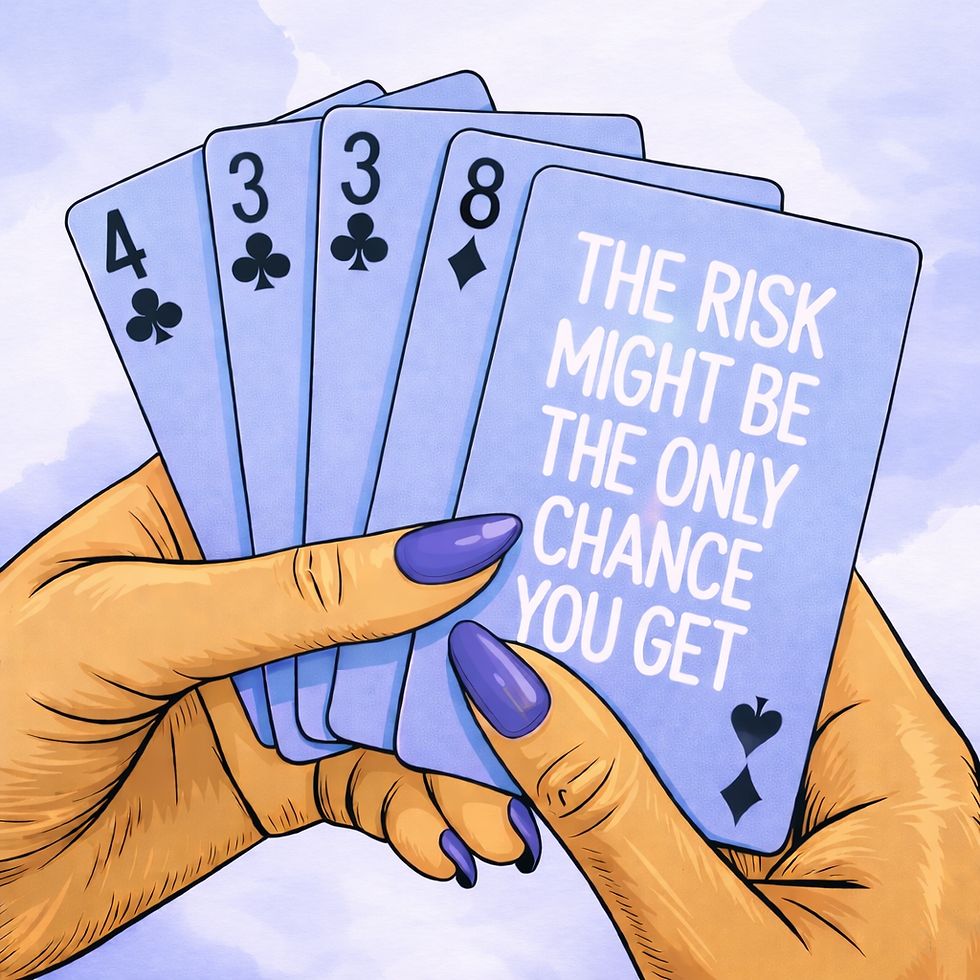
How Insurance Risks Change Financial Freedom
Every financial decision you make involves some level of risk. Insurance plays a crucial role in protecting your income, assets, and long-term goals.
When you manage risk well, you create financial stability. When you ignore it, even a single unexpected event can derail years of progress.
Understanding risk allows you to:
Avoid major financial setbacks
Protect your savings and investments
Feel confident making long-term plans
Reduce stress during unexpected events
Insurance is not about expecting the worst. It is about being prepared so that one event does not define your financial future.

How Insurance Companies Evaluate Risk
Insurance companies use data-driven tools to assess risk, including personal history, location, lifestyle, and behavior. This is why factors like driving records, health history, and property location matter.
The more predictable the risk, the more affordable and effective the coverage tends to be. This is also why maintaining responsible habits can directly impact your premiums.
When you understand how risk is evaluated, you gain more control over your financial outcomes.

Why Education Changes Everything
The more you understand insurance principles, the more empowered you become. Education shifts insurance from something you purchase out of obligation to something you use strategically.
When you understand risk, you are better able to:
Ask the right questions
Make informed coverage decisions
Advocate for yourself financially
Avoid unnecessary expenses
Knowledge gives you control, and control leads to confidence.

Final Thoughts
Good risk planning is not about eliminating uncertainty. It is about preparing for it in a way that protects your financial well-being.
By understanding the difference between good risk and bad risk, you can approach insurance with clarity instead of confusion. This shift can transform insurance from a cost into a tool that supports your financial life.
Before your next financial decision, take a moment to ask yourself whether you are protecting good risks or exposing yourself to bad ones.

#Financial Literacy #Personal Finance #Life Planning #Smart Decision Making #MoneyMindset #Career Development #IntentionalLiving #Growth #Risk Awareness
We’d love to hear your thoughts—please comment below to share your insights and join the discussion!
What is one piece of external risk (economic or environmental) you are currently preparing for in your own financial plan?


Comments